
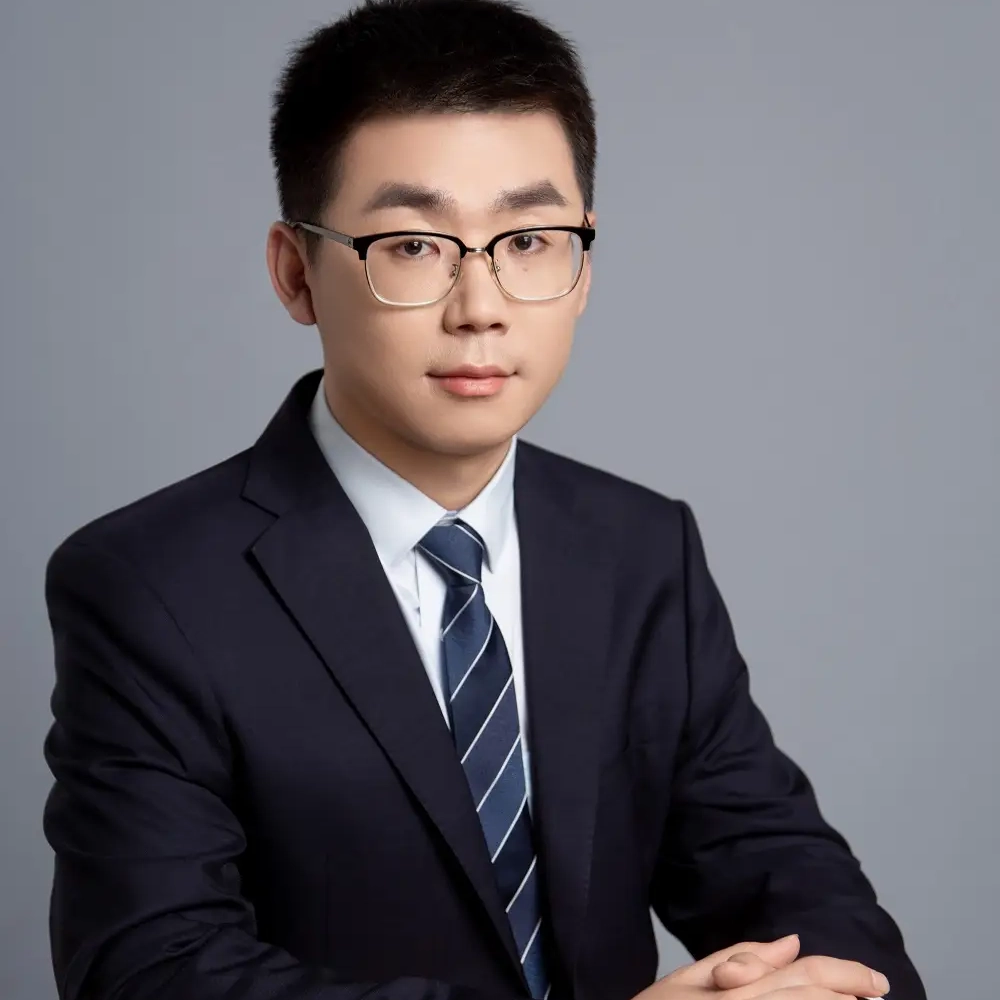
Meet Hin Gao, Founder of Hinsourcing
’m Hin Gao, founder of Hinsourcing and a sourcing specialist based in Guangzhou, China.
For more than 10 years, I have helped international buyers find suppliers, compare quotations, develop samples, follow production, inspect goods, and coordinate shipments from China.
During that time, I have worked with more than 1,000 clients from markets including Nepal, India, Africa, the United States, Australia, and other parts of the world. Their businesses, products, and order sizes have been different, but they often face the same challenge: it is easy to find a supplier online, but much harder to know whether that supplier is right for the order.
My job is to help close that gap.
I do not believe a sourcing agent should simply send factory contacts or pass messages between buyers and suppliers. A useful sourcing partner should make requirements clearer, compare options on the same basis, identify risks early, and provide evidence that helps the buyer make better decisions.
10+ Years in Sourcing · Based in Guangzhou · 1,000+ Clients Served
How I Started Working in China Sourcing
Before building Hinsourcing, I worked as an independent purchasing agent.
One of the most common requests I received sounded simple: a buyer would send me a product list and ask me to find suitable factories and provide a final quotation within the target price range.
But producing a reliable quotation is rarely simple.
Two factories may appear to offer the same product while using different materials, components, dimensions, packaging, testing standards, or production methods. One quotation may include tooling and packaging, while another leaves them out. A low price may reflect a genuine production advantage—or an important difference the buyer has not yet noticed.
I learned that sourcing is not only about finding someone who says, “We can make it.” It is about understanding exactly what will be made, who will make it, how the result will be checked, and what happens if production does not follow the approved requirements.
Working independently also taught me the value of direct communication and personal responsibility. At the same time, I saw the limitations of relying on one person when a project involved several suppliers, sample revisions, factory visits, production schedules, inspections, consolidation, and shipping.
That experience became part of the foundation for Hinsourcing.
Why I Founded Hinsourcing
China offers an enormous supplier base, specialized industrial clusters, flexible customization, and well-developed export infrastructure. However, those advantages do not automatically lead to a successful order.
Overseas buyers often have to make decisions using supplier profiles, catalogue photographs, samples, quotations, and online conversations. These materials are useful, but they only show part of the picture.
A buyer may still need to know:
- Is the supplier a manufacturer, trading company, or another intermediary?
- Does the factory have relevant experience with this product?
- Are all suppliers quoting the same specifications?
- Will the approved sample be followed during mass production?
- Who will report a material substitution or production delay?
- What happens when an inspection identifies a problem?
- Who coordinates the order when several factories are involved?
I founded Hinsourcing to give international buyers practical support on the ground in China.
The purpose was not simply to provide more factory contacts. It was to help buyers evaluate suppliers, understand the differences between offers, keep production aligned with approved requirements, and deal with issues while action was still possible.
Today, Hinsourcing supports projects from supplier research and factory verification through sampling, production follow-up, quality inspection, consolidation, and shipping coordination. Clients can use the complete service or ask for support with a specific stage.
What More Than 10 Years in Sourcing Has Taught Me
The Lowest Quotation Rarely Tells the Whole Story
A quotation is only useful when you understand what it includes.
If suppliers quote different materials, packaging, quantities, quality standards, or trade terms, their prices cannot be compared fairly. Before recommending an option, we need to identify those differences and understand why one quotation is lower or higher than another.
The objective is not always to select the cheapest factory. It is to select a supplier whose capabilities, commercial terms, and working methods fit the order.
A Supplier Must Fit the Product and the Buyer
A large factory is not automatically the best choice for every project. It may have strong production capacity but little interest in a small trial order. A smaller supplier may offer more flexibility but lack the systems required for a complex or regulated product.
Supplier selection should consider the product, quantity, customization, target market, budget, delivery requirements, and level of support the buyer needs.
A suitable factory is one that fits the actual project—not simply one with an impressive profile.
Quality Control Starts Before Inspection
A final inspection cannot correct every decision made during product development and production.
Quality begins with clear materials, dimensions, functions, tolerances, packaging requirements, testing needs, and approved samples. Important changes should be recorded and approved instead of being left inside scattered chat messages.
Inspection remains important, but it works best as one part of a wider quality-management process.
Evidence Is More Valuable Than Reassurance
Buyers do not need repeated messages saying that everything is fine. They need information they can evaluate.
Depending on the project stage, that evidence may include:
- Supplier registration and production information
- Comparable quotations
- Sample and specification records
- Dated production photographs
- Measurements and test results
- Inspection findings
- Defect photographs
- Corrective-action records
- Packing and shipping documents
A good sourcing report should explain what was checked, what was found, what remains uncertain, and which decision the buyer needs to make.
Problems Should Be Reported Early
No responsible sourcing company can promise that every order will proceed without problems.
Materials can be delayed. Samples can fail. Production can drift from the approved version. Packaging can arrive late. Inspection may identify defects.
The important question is not whether a problem ever occurs. It is whether the problem is identified early, reported clearly, and followed through to a practical decision.
Bad news delivered early is usually easier and less expensive to manage than bad news discovered after the goods have shipped.
Transparency Supports Better Decisions
Buyers should understand who they are working with, who receives their payment, what services are included, and how the sourcing company earns its fees.
At Hinsourcing, we aim to keep supplier information, product costs, service fees, responsibilities, and important project decisions clear. The exact commercial structure depends on the project, but it should be explained before the buyer commits to an order.
Tell Me What You’re Planning to Source
If you are preparing a sourcing project in China, tell me what you need.
Send your product information, estimated quantity, destination market, target date, and any specifications you already have. My team and I will review the request and explain whether the project fits our services and what the most practical next step would be.
Meet Hin Gao, Founder of Hinsourcing