
What Is a Sourcing Agent and What Do They Do?
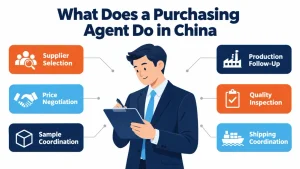
Sourcing agent services can cover supplier research, negotiation, sampling, production follow-up, quality checks, and shipping coordination. The useful question is what you receive at each stage. A shortlist should explain the recommendations, while a production update should identify progress, problems, and decisions that need your attention.
Hinsourcing is a China-based sourcing company serving clients worldwide. We help you source quality products and find reliable suppliers for long-term partnerships. You make the key purchasing decisions, while we handle the agreed day-to-day work.
Find Suppliers That Fit Your Product and Order
A product sourcing agent should check whether a factory’s materials, customization options, and usual order quantities match your needs. Expect questions about how you’ll use the product, your quantity, packaging, and budget.
Ask why each supplier made the shortlist and what’s still uncertain. Ten names without those explanations leave you doing much of the research you’ve paid someone else to handle.
Compare Quotes and Work Through Samples
Imagine you’re buying a product in a branded gift box. One supplier quotes for the product in a plain bag; another includes the printed box. Before negotiating, your agent should clarify the difference and request prices for the same requirements.
If a lid fits badly or a color needs changing, the next sample request should say exactly what to fix. Keep the approved sample’s version and specifications together, so the factory doesn’t have to reconstruct your decision from old messages.
Follow Production and Coordinate Quality Checks
After sample approval, an agent can follow the production schedule and help resolve changes. If the factory proposes a substitute material, you need to know what changes, why it’s proposed, and whether it affects the price or the product.

Ask for updates that show completed work and unresolved issues. Before an inspection, agree on the checks and who will report the findings. If something fails, you need enough detail to decide what happens next, including corrections or further checks.
Bring Packaging, Consolidation, and Shipping Together
Return to the gift-box example. If a separate supplier makes the packaging, someone needs to confirm that it fits the final product and arrives in time for packing. Your product factory may not manage that relationship unless you ask.
Your agent can track readiness and coordinate collection with a forwarder. Ask what’s still missing before booking the shipment, and confirm the charges for warehousing, packing, and freight.
If you’re planning the whole order rather than delegating individual tasks, our guide to buying wholesale from China explains how the stages connect.
Sourcing Agent vs. Trading Company: What’s the Difference?
A supplier sells you goods. A sourcing agent helps you carry out agreed purchasing work. That distinction is useful, although some businesses combine sourcing services with product sales. Check how your particular order will be handled.
| Buying arrangement | Typical help | What you still need to manage |
|---|---|---|
| Sourcing agent | Researches suppliers and coordinates agreed purchasing tasks | Product decisions, approvals, and anything outside the service scope |
| Trading company | Sells goods and may combine products from several manufacturers | Checking the offer, accepting samples, and confirming the seller’s responsibilities |
| Buying directly from a factory | Manufactures and supplies its products | Supplier communication and any checks or coordination you haven’t separately arranged |
To compare a sourcing agent with a trading company, establish who sells the goods, how they earn their income, and who handles problems. A trading company can be a practical choice for mixed products. Buying directly doesn’t automatically produce the lowest total cost.
You can hire an individual or a company. An individual may bring product knowledge and direct communication; a company may cover more roles. In either case, meet whoever will manage your order and ask about backup when they’re unavailable or overloaded.
Do You Need a Sourcing Agent in China?
China is often called the world’s factory, attracting buyers from around the globe. Based on my experience working with clients, I believe a sourcing agent is worth considering when a project demands more time or expertise than your team has available.
One of the biggest benefits is that you don’t have to travel to China yourself. We can screen suppliers and visit factories on your behalf, giving you more time to focus on marketing your business.
When Local Support Is Worth Considering
Think about the details you haven’t settled yet and who can follow them through. A small custom order can require more attention than a larger repeat purchase, particularly when:
- Your product needs repeated sample changes, and your team cannot keep up with supplier discussions.
- Several suppliers need to coordinate components, packaging, or deliveries for the same order.
- You need someone to examine a factory or production issue beyond what messages and photographs show.
- Supplier follow-up regularly takes time away from running the rest of your business.
Someone nearby still needs product knowledge and a clear assignment. For the gift-box order, that means confirming dimensions with both suppliers and checking the packing arrangement before production proceeds.

When You Already Have a Supplier but Need Follow-Up
Sourcing agent services can also support a supplier relationship you already have. Perhaps you’re satisfied with the factory but need help coordinating samples, following production, or preparing several orders for collection. Explain the gap before asking for a full sourcing package.
For a single inspection or shipment booking, an inspection company or freight forwarder may be enough. Ask for help with the task you actually need handled.
When Buying Directly May Be Enough
If your requirements are clear and your team can manage an established supplier, direct purchasing may work well. You still need someone responsible for communication and acceptance checks.
A small importer with product knowledge and time may manage independently. A larger buyer with several unfamiliar products may need help. Base the decision on unfinished work and your ability to handle it.
How Do Sourcing Agent Fees Work?
Sourcing agent fees depend on the commercial arrangement and the work involved. Comparing a percentage alone tells you little if one proposal includes ongoing follow-up and another stops after introducing suppliers.
- A fixed task or project fee covers defined work, such as supplier research or sample coordination.
- An order-based percentage calculates the fee using an agreed amount, with any minimum charge explained beforehand.
- A retainer pays for ongoing support, sometimes with extra charges for work outside the regular arrangement.
- A product-price model includes the provider’s earnings in the goods quotation instead of a separate service fee.
These models can overlap. Confirm whether samples, inspections, local transport, storage, and freight are included or separately charged. Also ask whether the provider receives supplier-paid commissions or referral income that could affect its recommendations.
A lower fee can make sense for a narrower service. Check that it includes the work you need, and compare proposals against the same assignment before agreeing to payment terms.
What Doesn’t a Sourcing Agent Handle Automatically?
Before work starts, agree on what the agent can do without asking you, which decisions need your approval, and where other specialists are needed. Keep these distinctions clear:
- You define the intended product and market, approve samples, and decide which changes are acceptable.
- Testing, market-access advice, and customs services require suitable expertise; confirm who provides each service when needed.
- Rework, replacements, and claims need agreed responsibilities; coordination alone doesn’t mean the agent pays every loss.
For example, if an inspection finds a packaging problem, you still need a decision about the remedy. The agent can explain the findings and coordinate corrections, but authority to accept a change or release goods should be clear.
A visual inspection also can’t establish that a product has passed every required laboratory test. Ask what it covers and what needs separate assessment before committing your money.
Where Can You Find a Sourcing Agent in China?
Google, LinkedIn, and China sourcing company websites are useful starting points. Add your product category to the search, then look for relevant work and a clear service description. A prominent search position doesn’t tell you whether someone can manage your particular order.
Recommendations from other importers or industry contacts can help, too. Ask what the agent actually handled for them. Experience with a simple stock purchase may tell you little about managing custom development or several suppliers.
Trade shows and industry events offer another route to local contacts. Establish whether you’re speaking with a supplier’s representative or someone offering purchasing support. Wherever you find a candidate, treat the introduction as a starting point for checking suitability.
To build your shortlist, explore our comparison of seven sourcing partners in China. Use it to identify companies worth contacting, then discuss your product requirements and the support you need with each candidate.
How to Choose the Right Sourcing Agent
When choosing a sourcing agent, give candidates your product requirements and the tasks you need handled. Ask them to explain a relevant work example: why they recommended a supplier and how they handled an unmet requirement. Look for these signs of a suitable match:
- Look for relevant product experience demonstrated through work examples and specific answers to your questions.
- Verify the individual or company you’re hiring, and meet the people who will handle your order.
- Confirm included tasks, excluded costs, and how the provider earns money from the arrangement.
- Consider a limited paid assignment to assess communication and work quality before making a larger commitment.
The U.S. International Trade Administration’s due diligence guidance emphasizes assessing potential business partners before committing. For your sourcing project, combine background checks with evidence of relevant work; a polished website alone doesn’t establish suitability.
A trial gives you something concrete to review, although it can’t guarantee future performance. For the detailed checks behind these points, see our guide to choosing a purchasing agent in China.
How Hinsourcing Supports Buyers in China
For a buyer in Nepal, Hinsourcing took on the work of finding suitable products and suppliers. The client needed options they could choose from, with the research and initial supplier discussions handled by the team.
The team visited relevant factories to assess their suitability, including business credentials, production capability, quality controls, and delivery capacity. After screening and comparison, Hinsourcing shortlisted five suppliers. The client could review that selection without having to work through the full pool of unfamiliar contacts.
Several rounds of negotiation followed. Hinsourcing handled the supplier discussions and follow-up while the client retained the final purchasing decision. The client could concentrate on selecting a suitable option without taking on every conversation with each candidate supplier.
Depending on the project, Hinsourcing’s sourcing agent services can include coordinating product and packaging customization, production follow-up, inspections, consolidation, and shipments. Agree on which tasks your order needs before work begins, rather than assuming a supplier search includes everything that follows.
Frequently Asked Questions
Sourcing Agent vs. Purchasing Agent: Is There a Difference?
The terms often overlap. Both can describe supplier searches, quotation comparisons, and order coordination. Some providers draw a distinction, so compare their actual responsibilities and service scope rather than assuming the title tells you what they do.
Can Small Businesses Use a Sourcing Agent?
Yes, although each provider decides which projects it accepts. Whether the cost makes sense depends on your product, the work involved, and your team’s capacity. Ask about minimum fees and order requirements before assuming a small order qualifies.
Can I Communicate Directly with the Factory?
That depends on the arrangement. Confirm whether factory details will be shared, whether you can communicate directly, and how changes will be approved. Agree on one clear way to confirm instructions so the factory doesn’t receive conflicting requests.
Will a Sourcing Agent Always Get a Lower Price?
No. Prices depend on specifications, quantities, and commercial terms. Compare the complete cost of the service and goods, then consider the work it removes from your team. A lower product price is only one possible benefit.
Start with the Work You Need Help With
Before hiring anyone, write down what your team can manage and what keeps getting delayed or left unresolved. That will help you decide whether you need a sourcing agent, a specialist for one task, or no outside help yet.
If you’d like to discuss support, send Hinsourcing your product requirements, expected quantity, target market, and the part you’re struggling with. Start with that problem, then agree on the work needed to solve it.