If you’re comparing the best websites for sourcing from China, I’d start with your order. Buying a few finished products, developing your own packaging, and ordering a machine require different conversations. A platform that works for one can create extra work for another.
Alibaba.com, 1688, Made-in-China.com, Global Sources, and DHgate all deserve consideration. Below, I’ll explain where I’d use each, what I’d check before committing, and how to compare the costs behind the listings. You should leave with a reason to choose your starting point.

Which sourcing website should you start with?
I’d start with Alibaba.com for a broad custom-product search, consider 1688 when you can manage domestic purchasing arrangements, and look at Made-in-China.com for technical sourcing. Global Sources is useful when supplier meetings matter. For a small purchase of existing goods, I’d also check DHgate.
| Website | Where I’d consider it | Main point to resolve |
|---|---|---|
| Alibaba.com | Comparing suppliers for bulk or custom products | Whether the quoted configuration matches your actual order |
| 1688 | Exploring China’s domestic wholesale supply | Payment, communication, packing, and export arrangements |
| Made-in-China.com | Finding machinery, components, and technical suppliers | Whether the supplier can meet your operating requirements |
| Global Sources | Connecting online research with supplier meetings | What the supplier’s verification status actually covers |
| DHgate | Buying existing products in quantities that suit a trial | Listing-specific quantities, delivered cost, and repeat availability |
These are starting recommendations, not a measured ranking of supplier quality. Minimum order quantities, customization, shipping, and payment options depend on the seller and transaction. Several of these platforms also feature suppliers outside mainland China, so check production location when origin matters.
How I compared these five platforms
This comparison draws on official platform and buyer-support information checked in September 2026. I considered product fit, communication, payment, supplier information, and the work left to you. The recommendations are based on that research; no comparative test purchases were made for this article.
My recommendations focus on how each platform fits a purchasing task. A helpful website should make your next decision easier: finding relevant companies, getting a usable quote, arranging a meeting, or buying a manageable trial quantity. Its usefulness can change as your product develops.
1. Alibaba.com: a practical starting point for custom orders
Alibaba.com brings product searches, manufacturer discovery, quotation requests, and customization options into one marketplace. I’d include it when you’re developing a product or comparing suppliers across several categories. You can begin those conversations in English and send the same requirements to each candidate.
Your first inquiry should establish exactly what the listed price buys. For a fabric storage organizer, I’d ask the supplier to confirm:
- The dimensions, fabric, and panel construction of the version being quoted.
- The quantity and product variant covered by the advertised unit price.
- Whether the quoted price includes the packaging you need for your order.
Alibaba’s Verified Supplier program provides third-party assessment information. Read the report for the company and relevant operations. Alibaba’s disclaimer makes clear that it doesn’t guarantee product or certificate authenticity. A badge alone doesn’t answer whether this supplier can make your version consistently.
Trade Assurance adds payment and order-dispute support when you use its order and payment process. Check the applicable terms and record the specification in the order. I’d choose Alibaba for an organized supplier search, then decide whether each candidate merits further discussion.
2. 1688: useful when you can manage domestic purchasing
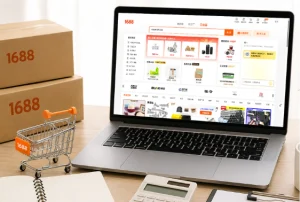
Alibaba Group describes 1688 as a domestic wholesale marketplace. I’d consider it when you want to explore goods sold within China and can arrange the communication and handling your purchase needs. Treat a promising listing as the beginning of a cost comparison.
Before comparing a 1688 offer with a quote from a supplier serving overseas buyers, check the purchase conditions and any work you need to arrange:
- Confirm the selected variant, quantity tier, and packaging included in the price.
- Ask where the seller delivers and whether required documents and export arrangements are available.
- Budget for receiving, checking, relabeling, and consolidating goods wherever you need that help.
Overseas buyers aren’t automatically limited to paying through an agent. WorldFirst’s current guidance describes World Card, WorldFirst Payments, and World Pay options for 1688, with different setup requirements. Check availability for your account and market. Payment access doesn’t settle the shipping arrangements.
1688 is worth pursuing when the savings remain after those arrangements are priced. If customization requires lengthy discussions and nobody on your team can resolve unclear details, compare a supplier set up for overseas buyers too. Your time has a cost, even when it isn’t invoiced.
3. Made-in-China.com: worth checking for technical sourcing
Made-in-China.com is one place I’d check for machinery, components, and products that need a detailed technical discussion. You can search suppliers, send sourcing requests, and review company information. Its usefulness depends on finding a supplier who can explain the application you have in mind.
For a packing machine, send the supplier your package dimensions, material, required output, and available power supply. Ask for a demonstration using comparable materials. A machine’s advertised maximum speed tells you little unless you know what was being packed and under what conditions.
The platform’s Audited Supplier program publishes free reports produced by third-party inspection organizations. Use them to investigate the supplier’s operations and capabilities. Match the report to the company, location, and date; it doesn’t establish that your particular machine will perform as required.
Made-in-China.com also offers Secured Trading Service, with online payment and dispute procedures. Check whether your proposed transaction uses it and what fees apply. I’d shortlist technical suppliers here, while asking separately about acceptance testing, spare parts, documentation, and support after delivery.
4. Global Sources: useful when you want to meet suppliers
Global Sources connects online supplier discovery with its trade-show network. Its exhibition information covers consumer electronics, mobile electronics, and lifestyle products, among other categories. I’d consider it when comparing physical samples or discussing product development face to face would help you choose.
You can make a meeting more useful before traveling. Send your requirements, identify the models you want to see, and ask who can answer production questions. For an electronic accessory, explain the functions and packaging changes you’re considering so the supplier brings relevant information.
Read its verification definitions carefully. Verified Supplier concerns business-registration checks; Verified Manufacturer includes a manufacturing business scope. Supplier Capability Assessment is a separate, optional third-party report based on an on-site visit. These labels describe different levels of information.
Use the platform to plan meetings with suppliers who can answer your product questions. If you only need a few standard items, that opportunity may add little to your purchase. Also confirm where goods are made: Global Sources connects buyers with suppliers across Asia.
5. DHgate: an option for small purchases of existing products
DHgate’s official app description presents a marketplace with wholesale and retail listings, payment services, and logistics support. I’d check it when you want to buy an existing product in a trial quantity, without beginning a separate product-development project.
For unbranded accessories or finished household goods, compare the exact variant, pack quantity, shipping charge, and delivery estimate shown for your destination. There isn’t a useful platform-wide MOQ to assume. A manageable trial depends on the particular listing and seller accepting the quantity you need.
Before ordering, read the protection and dispute information attached to your transaction. Keep the specification, seller messages, and order record together. I wouldn’t promise a universal refund window here: you need the terms that apply to the order you’re actually placing.
Ask about repeat orders while you’re buying the first batch. Can the seller supply the same materials, dimensions, and packaging again? A successful trial tells you about the goods you received. Keeping the next batch consistent may require a more detailed discussion with the manufacturer.
Is a cheaper listing really a cheaper order?
Compare offers at the same delivery point before deciding that one platform costs less. The following fictional example assumes 1,000 identical fabric storage organizers, matching specifications, printed sleeves, and delivery to the same receiving warehouse in China. These figures illustrate the calculation, not current supplier prices.
| Cost for this hypothetical order | Offer A: found on 1688 | Offer B: found on Alibaba.com |
|---|---|---|
| Goods | $2,400 | $2,750 |
| Printed sleeves | $180 | Included |
| Same inspection scope | $90 | $90 |
| Delivery to the China warehouse | $80 | $40 |
| Handling and payment charges | $100 | $40 |
| Total at the same warehouse | $2,850 | $2,920 |
| Cost per unit at that point | $2.85 | $2.92 |
Offer A’s initial $350 goods-price advantage becomes $70 after the listed costs. That remaining difference may still matter. But I’d want to know whether it justifies any additional coordination, especially if the other supplier provides clearer answers or a more workable reorder arrangement.
International freight, import charges, and final delivery are excluded from both columns. This isn’t a landed-cost comparison. Add those costs on the same basis before ordering; our guide to buying wholesale from China covers the purchasing stages beyond platform selection.
Also check what your money commits you to. A lower price requiring extra colors or a much larger quantity can tie up more cash than a higher unit price on the order you actually need. Ask for the minimum by product, color, and packaging version.
Which platform fits your next order?
These hypothetical situations show how I’d change the search as the purchasing task changes. The quantities describe the examples only; they aren’t platform minimums or claims about what a particular supplier will accept.
You want 30 finished organizers to test demand
I’d check DHgate listings for an acceptable delivered price and quantity. You could also compare an Alibaba supplier willing to supply existing stock. At this stage, the useful result is a product you can inspect and test with customers before committing more cash.
A low-priced 1688 listing becomes interesting if you can arrange the purchase economically. Ask what domestic handling and onward delivery would add. With a small basket, even modest fixed charges can outweigh a lower product price.
You need 1,000 organizers with your own packaging
I’d begin with Alibaba.com, then compare 1688 if you can manage the domestic purchasing work. Define the organizer and packaging separately. A supplier may accept your product quantity while the printer requires a different minimum for custom sleeves or cartons.
Request separate costs for the product, packaging setup, and repeat packaging orders. That helps you see whether the first order carries a one-time expense. Once you have candidates, use our guide to finding manufacturers and suppliers in China to evaluate the companies behind the listings.
Your product needs a technical discussion before a quote
I’d add Made-in-China.com for machinery or components. For consumer electronics where sample meetings would be useful, I’d also consider Global Sources. Alibaba can remain in the comparison if its suppliers answer the same technical questions well.
Define the unresolved question before opening another platform. Perhaps you need a process demonstration, a packaging change, or confirmation of a component. Search for a supplier who can address that gap. Another page of similar product photos won’t resolve it.
What should you compare when the same product appears on several sites?
Matching photos don’t establish that listings represent the same factory or specification. Save the links, compare these details, and ask sellers to explain unresolved differences:
- Check whether the company names across listings refer to different businesses.
- Match model numbers, dimensions, and materials before treating products as equivalent.
- Compare the included accessories to see what each offer actually supplies.
Record whether you’re speaking to a brand owner, seller, or manufacturer. A trading business can be a suitable supplier; ask who controls production and handles your order. Finding the same seller on two websites hasn’t given you an independent alternative if that company can’t deliver.
Send the same short brief to your strongest candidates. Ask each to identify anything they can’t meet and explain alternatives. A specific answer about a material or packaging limitation gives you more to work with than an immediate agreement to everything.
Keep one comparison record across platforms. Include unresolved questions beside the prices so you can see which offer is ready for a decision. This also makes it easier to stop searching when the next useful step is a sample or a supplier discussion.
Why use a sourcing agent when you can order online?
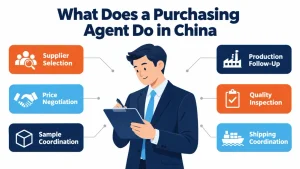
You can place an order yourself and still need help confirming samples, following production, or combining shipments. An agent becomes worth considering when those tasks need more time or local coordination than your team can provide.

At Hinsourcing, we help overseas buyers source products from China. Depending on the agreed project scope, we can coordinate:
- Supplier searches and quote comparisons, using the same product requirements across offers.
- Product and packaging customization, sample follow-up, and production updates against your approved requirements.
- Inspection arrangements, packing, consolidation, and shipment coordination, with responsibilities agreed for your order.
You can keep using your preferred platform while an agent handles agreed follow-up. Compare the service fee with the workload and checks you need. For a straightforward stock order you can manage yourself, direct purchasing may be sufficient.
Frequently asked questions
What is the best website for sourcing from China as a beginner?
I’d usually start with Alibaba.com for bulk or custom sourcing because its search and inquiry tools suit that task. For a small purchase of existing goods, compare DHgate too. Your quantity and need for customization should guide the choice.
Can I buy from 1688 without a sourcing agent?
An agent isn’t automatically required. Overseas payment options exist, but you still need workable communication, delivery, and export arrangements. If those tasks exceed your team’s capacity, review what to check when choosing a purchasing agent in China.
Which platform has the lowest minimum order quantity?
Compare listings and written quotes. Minimums vary by product, variant, customization, and seller. Ask separately about plain stock, your logo, and custom packaging. A low minimum for an existing item doesn’t establish the minimum for your version.
Should I search all five websites before choosing a supplier?
You don’t need to. Start with the platform that fits your order, then add another if it addresses a specific gap. Spend more time comparing credible candidates once you have enough information to request meaningful quotes or samples.
Choose a website that moves your order forward
Start with a clear order brief and a suitable platform. Look for a supplier who understands your product, a comparable quote, and answers to the questions holding you back.
Your choice may change with the next order. Keep the information you’ve gathered so you can build on it and explain why each supplier stays on your list.
If you’re unsure which route fits your product, contact Hinsourcing with your expected quantity, destination, customization needs, and any supplier links you’ve found. That gives us a practical starting point for discussing your sourcing project.