To source machinery from China successfully, start with the job the equipment must perform—not the supplier’s catalog price. Write down the materials, usable output, tolerances, operating conditions, and tests that will demonstrate acceptance. Then compare suppliers against the same requirements, verify who will build the machine, and budget for the work between factory dispatch and production at your site.
The biggest purchasing risk is often a gap between the machine described in the quotation and the system your factory actually needs. This guide follows eight practical steps, from identifying suitable machinery suppliers in China to factory acceptance testing (FAT), shipping, installation, and site acceptance (SAT).
The eight-step sourcing process: Define the specification → check destination requirements → shortlist suppliers → verify capabilities → compare total costs → agree on contracts and payments → approve FAT → coordinate shipping and handover.
What Machinery Can You Source from China?
China has suppliers across packaging and filling, metalworking, plastics processing, woodworking, industrial automation, and integrated production lines. The right search starts with the manufacturing process rather than the broad label “industrial machinery.”
| Equipment category | Details the supplier needs | Critical evaluation point |
|---|---|---|
| Packaging and filling | Product properties, containers, fill range, target output | Handling, dosing or sealing performance across the required formats |
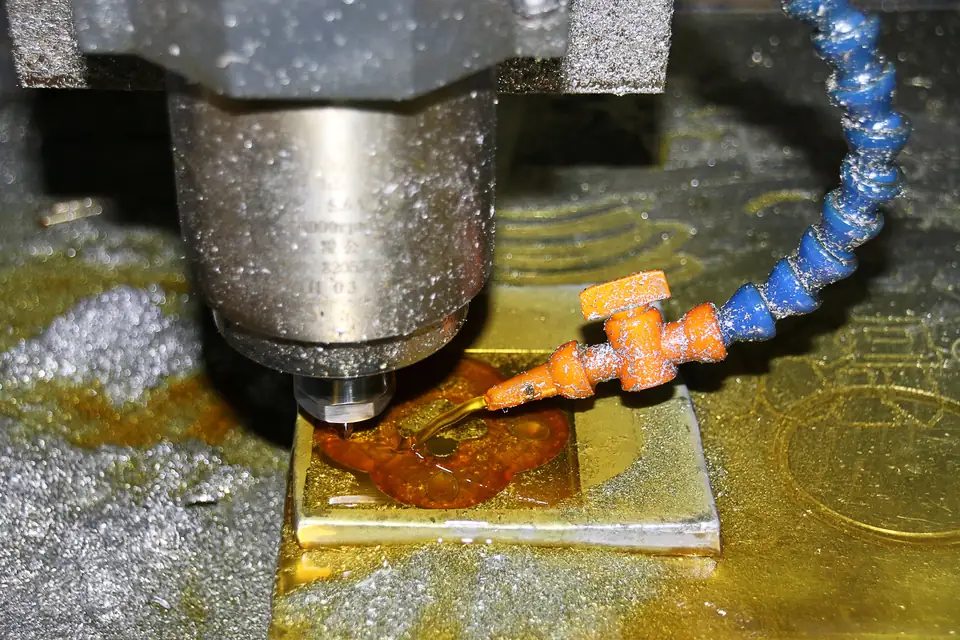
| Metalworking and CNC | Workpiece drawings, material, tolerances, cycle requirements | Achievable accuracy, tooling, measurements and repeatability |
| Plastics processing | Resin, part and mold drawings, output target | Machine–mold compatibility, process stability and utility demand |
| Woodworking | Material dimensions, surface finish, dust characteristics | Feed consistency, tooling and extraction requirements |
| Complete production lines | Process flow, equipment list, interfaces, bottlenecks | Line integration, usable output and one accountable integrator |
A standard machine can be a good fit when its proven operating range covers your application. A customized machine needs additional design approvals, engineering responsibility, and validation. New versus used is a separate choice; used equipment can still require extensive retrofitting, safety review, or unavailable replacement parts.
Should You Buy Directly from a Factory or Use a Sourcing Partner?
Buying directly can work when your team has the engineering capacity to define the machine, challenge a technical quotation, verify the supplier, and arrange service at the destination. A capable distributor or system integrator may be a better fit when installation, local support, or coordination with existing equipment is central to the project.
A China sourcing partner can help identify and verify suppliers, align quotations, track production, and coordinate inspections and shipping. That coordination does not replace the buyer’s engineer, the qualified FAT witness, or the person responsible for safety at the installation site. Define these roles at the start.
What Should You Prepare Before Requesting Machinery Quotes?
A detailed request for quotation (RFQ) lets suppliers price the same job. Without it, one supplier may quote the base machine while another includes feeders, change parts, installation support, and a control-system interface. Apparent price differences may simply be differences in scope.
Machinery RFQ: What to Check Before Requesting a Quote
Include these points in the same request so suppliers can quote on a comparable basis:
- Application and materials: Describe the process, material properties, and relevant drawings or samples.
- Output and quality: State the required acceptable units per hour, quality criteria, and operating schedule.
- Product range: List sizes, thicknesses, viscosities, or tolerances, plus changeover needs.
- Machine configuration: Confirm whether feeders, tooling, controls, and safety systems are included with the main machine.
- Site requirements: Check installation space, electrical supply, air, water, extraction, and access constraints.
- Acceptance testing: Agree on test materials, duration, measurements, and pass/fail criteria.
- Documents and support: Confirm manuals, drawings, training, spare parts, software access, and warranty coverage.
- Pricing and delivery: Check the quotation scope, payment milestones, lead time, Incoterm, and named delivery point.
Send the same version of this RFQ to every candidate. Require each supplier to return a marked-up specification with three statuses: compliant, compliant with an exception, or not offered. A supplier’s “yes, no problem” message is not an engineering commitment.
A useful procurement judgment is to distinguish desired capacity from measurable acceptance. A machine’s advertised maximum speed does not establish how many conforming units it can produce with your materials, tooling, operators, and product changeovers. Set the acceptance method before agreeing on the machine design.
Where Can You Find Machinery Suppliers in China?
Build a candidate list from several sources, then verify the companies behind the listings. Search with the actual process, material, and machine type—for instance, a filling application with its product viscosity and container range—rather than relying on “best machine manufacturer.”
Useful discovery channels include:
- B2B platforms: Alibaba and Made-in-China can reveal machine categories, competing configurations, and initial supplier contacts. A platform label is not proof of engineering capability.
- Manufacturer websites: Review technical datasheets, application videos, component brands, installation documents, and the questions an engineering team asks before quoting.
- Industry exhibitions: The Canton Fair’s advanced-manufacturing sections and specialized events such as the China International Industry Fair (CIIF) help buyers compare equipment categories and speak with exhibitors. Verify the event’s current scope and exhibitor list before planning a visit.
- Referrals and installed-user references: A reference is most useful when the installed machine handles similar materials, product formats, and output conditions.
- Local verification and procurement teams: These can help identify the contracting company, actual assembly location, and evidence of comparable work.
For each candidate, record its registered company name, contracting entity, quoted model, proposed assembly site, and responsible technical contact. This prevents confusion when brands, exporters, trading companies, and actual equipment builders have different names.
How to Source Machinery from China in 8 Steps
The following steps form the core of the purchase. Each should end with an approved document or recorded decision. This keeps a technical requirement from being lost between sales discussions, engineering changes, payment, and shipment.
Step 1: Define the Machine’s Job and Acceptance Criteria
Specify the results your business needs, not just features that sound impressive. For a packaging line, this may mean conforming units per hour, permitted fill variation, seal integrity, format changes, and the materials to be tested. For a CNC machine, it may mean accuracy, repeatability, workpiece range, and the method used to measure finished parts.
Separate three numbers that are often confused: rated speed, demonstrated speed, and usable production output. Usable output must account for rejected items and the operating conditions defined in the agreement.
Your acceptance specification should answer:
- Which materials and product formats will be tested?
- Which operating settings and tooling are included?
- What performance will count as a pass, and over what test period?
- Who measures output, rejects, stoppages, and changeover time?
- What happens if the machine does not meet the criteria?
The deliverable is a signed user requirement specification (URS) or equivalent technical brief, with a test method attached. Do not let a supplier substitute an easier demonstration material without written agreement.
Step 2: Confirm Import, Safety, and Site Requirements
Check legal and technical requirements for the exact equipment and destination before approving a design. Customs clearance, safe installation, and lawful market placement are separate questions.
For EU projects, the European Commission states that Regulation (EU) 2023/1230 on machinery generally becomes applicable on 20 January 2027, replacing the Machinery Directive 2006/42/EC for machinery placed on the market under the new rules. Projects approaching that transition need a destination-specific conformity review; the date on a quotation alone is not enough. See the European Commission’s machinery guidance.
For US workplaces, OSHA’s machine-guarding requirements address hazards at points of operation and moving machine parts. Machine safety, electrical requirements, lockout/tagout arrangements, and local installation conditions should be reviewed by qualified professionals. A certificate image or voltage converter is not a complete safety assessment.
Confirm site utilities—voltage, phase, frequency, compressed air, ventilation, water, access dimensions, floor load, and environmental conditions—and place the agreed requirements in the purchase specification. In practice, discovering an incompatible service connection after delivery can turn a seemingly complete machine order into a second engineering project.
Step 3: Build a Shortlist Based on Application Experience
Ask for evidence of machinery operating under comparable process conditions, not simply a long list of sold models. A demonstration with a different material, thickness, viscosity, part size, or production configuration may leave your critical requirement unproven.
A serious shortlist should contain more than a price. For each supplier, capture its proposed configuration, documented limitations, available engineering support, change parts, estimated power and air consumption, service approach, and a plan for testing your materials.
When possible, request a reference from a user of a comparable machine. Focus on what happened after installation: adjustments needed, availability of spares, software access, responsiveness to breakdowns, and the time required to obtain usable output. A strong pre-sale demonstration tells you less about long-term support than a comparable installed application.
Step 4: Verify Who Builds and Supports the Machine
Check the legal business behind the quotation as well as the proposed assembly and testing site. The seller, payment beneficiary, machine builder, controls integrator, and warranty provider may be different organizations. Multiple participants are not necessarily a problem; undocumented responsibility is.
A project-specific factory review should establish:
- Identity: Registration, contractual entity, payment details, and manufacturing address.
- Production scope: Which structural, mechanical, electrical, and software work is done in-house or subcontracted.
- Engineering capability: Access to relevant designers, application engineers, test equipment, and configuration records.
- Evidence: Comparable finished machines, component lists, assembly status, inspection records, and test capacity.
- After-sales obligations: Who provides spares, remote support, service engineers, and warranty decisions.
In buyer-side sourcing, I would treat a factory’s ability to explain a configuration and its limitations as more important than the size of its showroom. A polished video cannot resolve whether the exact feeder, safety devices, and control logic being quoted will be available in the ordered build.
Hinsourcing’s supplier verification and factory audit service covers business identity, facilities, production claims, and supporting records within an agreed scope. Machinery performance still requires a suitable engineering assessment and test plan.
Step 5: Compare the Total Cost to Production Readiness
The lowest ex-factory machine price is not necessarily the lowest cost to get equipment producing acceptable output at your site. Compare identical configurations and calculate the full project commitment.
| Cost category | What to include |
|---|---|
| Equipment and engineering | Base machine, tooling, feeders, options, controls, licences, custom engineering |
| Verification and export | Inspection, FAT, corrections, packing, origin handling |
| Transport and import | Freight, insurance, duties, taxes, clearance, local delivery and unloading |
| Site and commissioning | Foundations, utilities, installation, travel, training, integration and SAT |
| Ongoing operations | Spares, consumables, labour, maintenance, energy and downtime exposure |
For each quotation item, mark included / separately priced / buyer supplied / excluded / unresolved. Never turn a missing price into a zero-cost assumption.
Only compare payback or cost per usable unit once the output assumptions are defensible. If the supplier’s quote uses peak speed and your production plan uses sustained output, they are describing different economic cases. Also clarify tax recoverability with the destination adviser so import cash flow is not confused with the final cost.
Step 6: Agree on Contract, Payment, Warranty, and Changes
Attach the approved specification, drawings, and acceptance procedure to the purchase order or contract. Link payment milestones to verifiable events rather than vague statements such as “machine completed.” Have significant purchase terms reviewed by appropriately qualified advisers.
Include conditions for:
- Design changes: Which motors, PLCs, components, materials, and safety devices require buyer approval before substitution.
- Payment: Bank beneficiary verification, milestones, documents or test evidence needed for each release.
- Failed acceptance: Correction responsibilities, retest procedure, costs, revised schedule, and shipment authorization.
- Warranty: Start date, scope, exclusions, parts, labour, freight, travel, and response arrangements.
- Software and support: Licence terms, backups, authorised access, remote support, and maintenance documentation.
- Handover: Manuals, drawings, spare parts, training, and any agreed post-installation obligations.
Bank transfers, letters of credit, and eligible platform-protected orders allocate different financial and documentary risks. A letter of credit checks specified documents; it does not establish that a machine has passed a physical performance test. Any inspection certificate required for payment should be planned with the bank and contract advisers before the credit is issued.
Verify changes to bank details through an independently established contact channel. Treat an unexpected beneficiary change as a payment-control issue requiring confirmation, not merely an accounting update.
Step 7: Run and Record the Factory Acceptance Test (FAT)
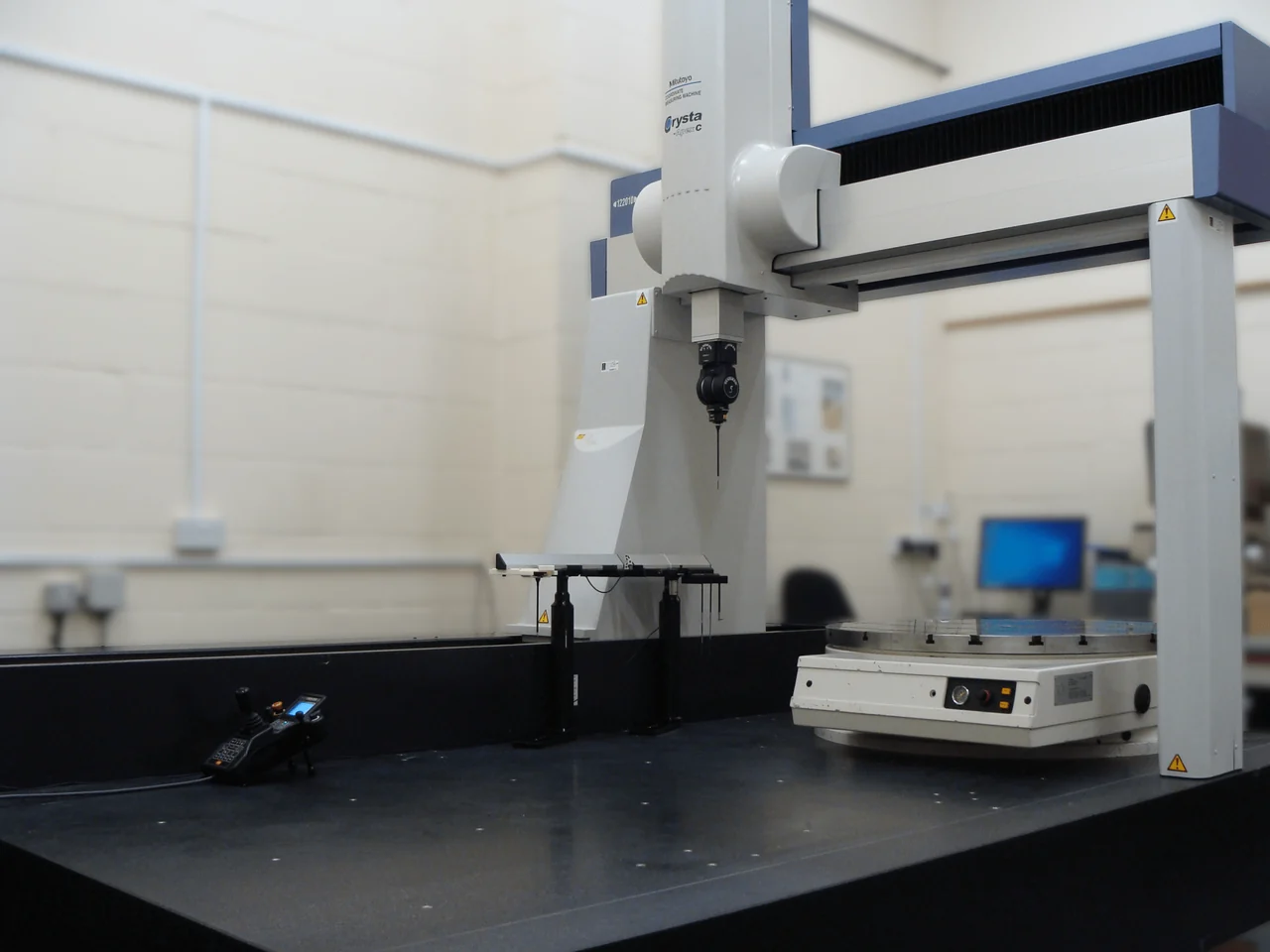
A factory acceptance test evaluates the ordered equipment against the agreed requirements before shipment. The procedure should be written before testing begins and witnessed by someone competent in the equipment and measurement method. For automation systems in the process industry, IEC 62381:2024 provides guidance on FAT, SAT, and related integration tests; it should not be treated as a universal mandatory checklist for every machine.
Key Checks During the FAT
The point of a FAT is to verify the machine that will actually be shipped, not to collect a polished demonstration video. Concentrate on the checks that matter for your application:
- Equipment and configuration: Verify the model, major components, controls, and accessories against the agreed specification.
- Representative materials: Test with the agreed materials and product formats, including difficult sizes or operating conditions that affect performance.
- Sustained usable output: Measure acceptable output over an agreed run, while recording rejects, stoppages, and operating conditions—not just peak speed.
- Product quality and accuracy: Check the relevant tolerances, sealing quality, dimensions, or other measurable acceptance criteria.
- Changeovers and operation: Verify agreed format changes, operator controls, and essential functions in the proposed configuration.
- Safety-related checks: Have qualified personnel assess the safety items within the agreed technical scope; performance approval does not replace required safety or conformity assessment.
- Defects and corrections: Identify failed criteria, agree on corrective work, and confirm the outcome of any necessary retest before shipment.
Ask for a short report recording the test conditions, measurements, unresolved issues, and retest evidence. A video can support that record, but cannot replace it.
Do not approve shipment with unresolved safety issues or failed essential criteria. Other minor, agreed deficiencies should have written owners, closeout conditions, and a clear decision on whether shipment can proceed.
Hinsourcing’s production follow-up and quality control support can help coordinate milestones, inspections, and corrective-action follow-up. A qualified specialist must perform or witness equipment-specific tests where the agreed scope requires it; the buyer authorizes acceptance and shipment.
Step 8: Plan Export Packing, Shipping, and Delivery
Ask for packed dimensions, gross weight, centre-of-gravity or lifting information where needed, and a component-by-component packing list. Catalogue machine dimensions do not include crates, protective frames, removed sections, or accessory packages.
Before release, confirm moisture and corrosion protection, securement, protection of sensitive components, identification of disconnected cables and spare parts, safe lifting requirements, and evidence of packing condition. For wood packaging, check the destination’s ISPM 15 requirements and distinguish raw-wood supports from exempt wholly processed materials such as plywood.
Choose the Incoterm based on actual handover. For many containerized or multimodal shipments, FCA deserves consideration rather than defaulting to FOB, because goods are commonly delivered to a carrier or container terminal before being loaded on board. The ICC’s FOB guidance explains when FCA should be considered instead. Specify the Incoterm, named place, and 2020 version in the agreement.
Confirm who is the importer of record, who arranges cargo insurance, who unloads at destination, and who pays for any specialist lift or site delivery. Incoterms allocate certain risks and costs; they do not by themselves transfer ownership or set payment terms. Hinsourcing can assist with supplier-to-forwarder handoffs through its shipping and customs coordination service; customs classification and clearance decisions remain with the appropriate professionals and authorities.
What Documents Do You Need to Import Machinery from China?
Customs paperwork, machine-conformity evidence, and operational handover records serve different purposes. The exact set depends on the machinery and country, so let the destination customs professional and qualified technical adviser confirm which documents are required.
Commercial and shipping records generally begin with the commercial invoice, packing list, and applicable transport document. Depending on the shipment, origin information, insurance evidence, import permits, and other filings may also be required. Match model identifiers, descriptions, quantities, package references, dimensions, and weights across documents.
Technical handover records should be agreed before manufacture is complete: approved drawings and specifications, final electrical or pneumatic diagrams where applicable, safety and conformity documentation, operating and maintenance manuals, FAT findings, software/licence information, and a usable parts list. Make sure the documents describe the actual delivered configuration, not a similar model from the supplier’s catalog.
Do not assume a supplier-suggested HS code is final. Confirm classification and the destination’s import treatment with the relevant customs professional.
How Long Does Machinery Sourcing and Importing Take?
There is no reliable universal delivery window for every machine. Separate the schedule into technical definition, drawings and commercial approval, component procurement, assembly, FAT, packing, transport, clearance, installation, and SAT. The supplier’s manufacturing lead time rarely includes all these stages.
Track these milestones independently:
| Milestone | Evidence of readiness |
|---|---|
| Specification approved | Signed scope, drawings, interface and test requirements |
| Build authorized | Deposit or agreed start condition, component schedule, design approvals |
| Ready for FAT | Test plan, machine configuration and representative materials available |
| Cleared for dispatch | Passed tests or approved deviation closure, shipping release |
| Delivered to site | Transport and receiving records; all major components accounted for |
| Accepted for production | Installation, training and site acceptance signed off |
My practical recommendation is to plan backwards from the required production start, not from the supplier’s promised dispatch date. Site preparation and engineering reviews can run while the equipment is built, but commissioning cannot finish if power, air supply, lifting access, or the receiving line is not ready.
Ask precisely when the quoted lead time starts: contract signature, payment, drawing approval, or receipt of test materials. Then distinguish ready for FAT, ready to ship, delivered, and accepted at site in the contract and project plan.
What Happens After the Machine Arrives?
Receipt is not acceptance. Inspect the shipment, document any transport damage or missing components, and arrange safe installation before commissioning. Site acceptance testing (SAT) checks the equipment in its actual working environment and, where agreed, as part of the full production line.
Installation, SAT, and Handover
Agree who supplies lifting equipment, utilities, installers, translation, training materials, and production inputs. Where several suppliers provide one line, nominate a lead integrator responsible for mechanical interfaces, control signals, coordinated safety review, and overall line performance.
Use the FAT specification as a starting reference, then record any changes required because of site conditions. Your final handover should include:
- The installed configuration and any approved changes.
- SAT measurements, exceptions, retest and sign-off records.
- Operator and maintenance training appropriate to each role.
- Manuals, control backups and authorised access arrangements.
- Spare-parts identification, recommended initial stock and supplier contacts.
Damage, Missing Parts, and After-Sales Support
Photograph packing and equipment condition when safe. Keep serial numbers, package markings, delivery documents, and evidence of shortages. Notify the relevant carrier, insurer, and supplier according to their contractual deadlines; transit damage, defects and missing accessories can fall under different responsibilities.
Before closing the order, confirm the exact part numbers, acceptable substitutions, warranty escalation contacts, service hours, remote-support security arrangements, and software licence rights. A generic promise of “lifetime technical support” is less useful than a written description of how your team can obtain a critical replacement part.
Which Machinery Sourcing Mistakes Should You Avoid?
Most of the preventable gaps appear before the machine is dispatched. Use this condensed checklist to review the project before committing the balance payment:
- A quotation promises maximum speed but never defines usable output or quality.
- A demonstration uses different materials or formats from the planned production range.
- A seller cannot clearly identify the builder, assembly site or warranty provider.
- Components are substituted without a documented engineering and commercial review.
- FAT findings remain open but shipment proceeds without an agreed resolution.
- Customs delivery is mistaken for production acceptance, with installation and integration left unassigned.
- Spare parts, access permissions, or software backups are missing from the handover scope.
The unifying lesson is simple: keep the same approved requirement traceable through the RFQ, contract, FAT, shipment, and SAT. If that requirement changes, record who approved the new version and how it will be tested.
Should You Use a Machinery Sourcing Agent in China?
A sourcing agent can be valuable when you need buyer-side coordination across supplier searches, business verification, factory visits, production updates, technical-test scheduling, and freight arrangements. What matters is scope, not the job title.
Hinsourcing can support supplier identification, commercial comparisons, factory verification, production follow-up, and coordination with inspection and logistics partners, depending on the project. The buyer remains responsible for decisions and should involve qualified engineers, safety professionals and destination customs advisers wherever their expertise is needed.
When selecting any agent, ask who will perform the technical checks, what records will be delivered, which fees are included, and who has authority to accept equipment or approve changes. For a wider explanation, see what a purchasing agent does in China.
Planning a machinery purchase? Send Hinsourcing your project requirements—application, materials, target output, site utilities, destination, timetable, and any quotations or drawings already received. That gives us a basis for clarifying the sourcing and coordination scope before you commit to an order.
Frequently Asked Questions
Can You Buy Just One Machine from China?
Yes. Many equipment projects are single-machine purchases, though tooling, customization, testing, and shipping can still involve substantial fixed costs. Ask for the complete delivered-and-installed scope rather than assuming a one-unit order has a simple price.
Can You Source Machinery Without Visiting China?
Yes, if verification and equipment-specific testing can be arranged with suitable local personnel. Remote meetings and video updates help, but they do not substitute for measurements, business checks, or a competent FAT witness where those are needed.
Is Used Machinery from China Worth Considering?
Potentially. Check model identity, condition, usage history, modifications, available spare parts, software and documentation, and the destination’s restrictions for used equipment. Include refurbishment and installation risk in the comparison; a low purchase price is not enough.
Is Alibaba Safe for Buying Machinery from China?
Alibaba is a discovery channel, not a machine-performance guarantee. Verify the seller, technical specification, actual production site, payment route, and contractual protection. Keep approved configuration and acceptance conditions in the order documentation.
What If the Machine Fails the FAT?
Document the failed acceptance criterion and evidence. Require a corrective-action plan, agree on retesting and schedule implications, and follow the contract’s decision process before releasing the machine. Do not accept unresolved safety-critical deficiencies.
Reference basis: European Commission machinery guidance, OSHA 29 CFR 1910.212, and ICC Incoterms® 2020 guidance are linked next to the relevant claims. Technical details for a specific purchase must be checked against its machine type, destination, and contract.