In a China sourcing agent vs trading company comparison, start with who sells you the goods. A sourcing agent helps you find, compare, and manage suppliers. A trading company usually sells you the goods through its own supplier network. The better choice depends on your products, the factory access you need, and how much purchasing work your team can handle.
I would start with the work you need help with. Comparing factories and developing a custom product calls for different support from buying an existing range through one seller. Price matters, but so does knowing who will follow up when a sample changes, a shipment is delayed, or you need to reorder.
What Is the Difference Between a China Sourcing Agent and a Trading Company?
The main difference is the role each business takes in your order. A sourcing agent provides agreed purchasing services. A trading company typically acts as the seller, buying from manufacturers or wholesalers and reselling to you. That affects how the price is presented, who manages suppliers, and who handles a claim about the goods.
An agent can compare factories, coordinate samples, follow production, or arrange checks before shipment. You may buy directly from the factory or authorize the agent to place orders on your behalf. The work a purchasing agent handles in China should be clearly defined before you pay for the service.
A trading company can bring several products together in one quotation and sales order. Some carry stock; others arrange production after you order. A specialist trader may also have a technical team and manufacturing partners for custom products.
| What matters to you | China sourcing agent | Trading company |
|---|---|---|
| Main role | Provides purchasing and supplier coordination services | Usually sells you the goods |
| Price structure | Agreed fee or commission, with any additional charges identified | Selling price usually includes its margin |
| Factory contact | Disclosure and direct access depend on the service arrangement | The seller manages access to its suppliers |
| Custom products | Can compare factories and coordinate development | A specialist trader may manage development through its network |
| Quality problems | Follows up within the agreed service scope; identify the seller separately | Handles claims as the seller under the purchase terms |
| Typical fit | Supplier comparison, product development, or several factories | An existing product range and a convenient single seller |
Some Businesses Use Both Models
A company may find factories for one buyer and sell finished goods to another. It can also sell some items while coordinating others under a service agreement. Understanding what a sourcing agent does helps you ask about the actual arrangement behind a quote.
My priority here is to identify the seller, the paid service, and the information available to the buyer. A visible commission does not, by itself, tell you whether the agent also receives supplier payments. Ask how the intermediary is compensated and what information it will share.
When Should You Choose a Sourcing Agent or a Trading Company?
Consider a sourcing agent when you need supplier comparison, product development, or coordination across factories. Consider a trading company when one capable seller can supply the products and quantities you need. The provider’s actual capabilities matter more than the label.
Small Mixed Orders and Ready-Made Products
For a small mixed order, I would first check whether a trading company can supply the required items together. Available stock, suitable quantities for each product or variant (SKU), and a clear dispatch date can make that a practical choice. Ask whether the quoted stock can be reserved and what happens if one item becomes unavailable.
An agent becomes more useful when your products come from several suppliers and you need help tracking arrivals, checking quantities, or consolidating cartons. You can often discuss those tasks separately from a full sourcing project. Our guide to using a China sourcing agent for small orders explains the cost considerations.
Private-Label Products and Ongoing Development
An agent is worth considering when you need to compare factories with different production methods, work through sample revisions, or coordinate several suppliers. Look for a clear way to record changes and get technical answers from the people making the product.
A specialist trading company can also handle private-label sourcing, manufacturing to your specifications (OEM), or adaptations of an existing design (ODM). Evaluate its product knowledge, sample process, and ability to maintain the approved specification. For custom products, I would put more weight on those capabilities than on a general promise of a low price.
Repeat Orders and Buyers with Existing Suppliers
A proven seller that still meets your specification, price, and timing may already be the right partner. Changing the purchasing model adds work, so identify the problem you want the change to solve.
If you buy directly from a reliable factory, you may only need a production check or an independent inspection. Our comparison of using a purchasing agent versus buying direct looks at when extra support is useful. You can also use an agent for custom products while buying standard accessories through a trader.
China Sourcing Agent vs Trading Company: Which Costs Less?
Neither option is always cheaper. A sourcing agent’s commission is usually easier to separate from the goods price, while a trading company’s margin is generally included in its selling price. Compare the complete cost of the same product and service scope before deciding.
Put Both Quotes on the Same Basis
Send both providers the same specification, quantity per SKU, packaging requirements, inspection needs, quote currency, and delivery destination. Make sure they price the same product version and identify where their delivery responsibility ends.
Then ask each provider to mark the following as included, charged separately, or awaiting confirmation:
- Goods, development samples, tooling, branding, and retail packaging.
- Sourcing services, quality inspections, storage, and consolidation.
- Collection in China, export handling, international freight, and destination delivery.
- Applicable import duties, taxes, brokerage, and payment or currency conversion charges.
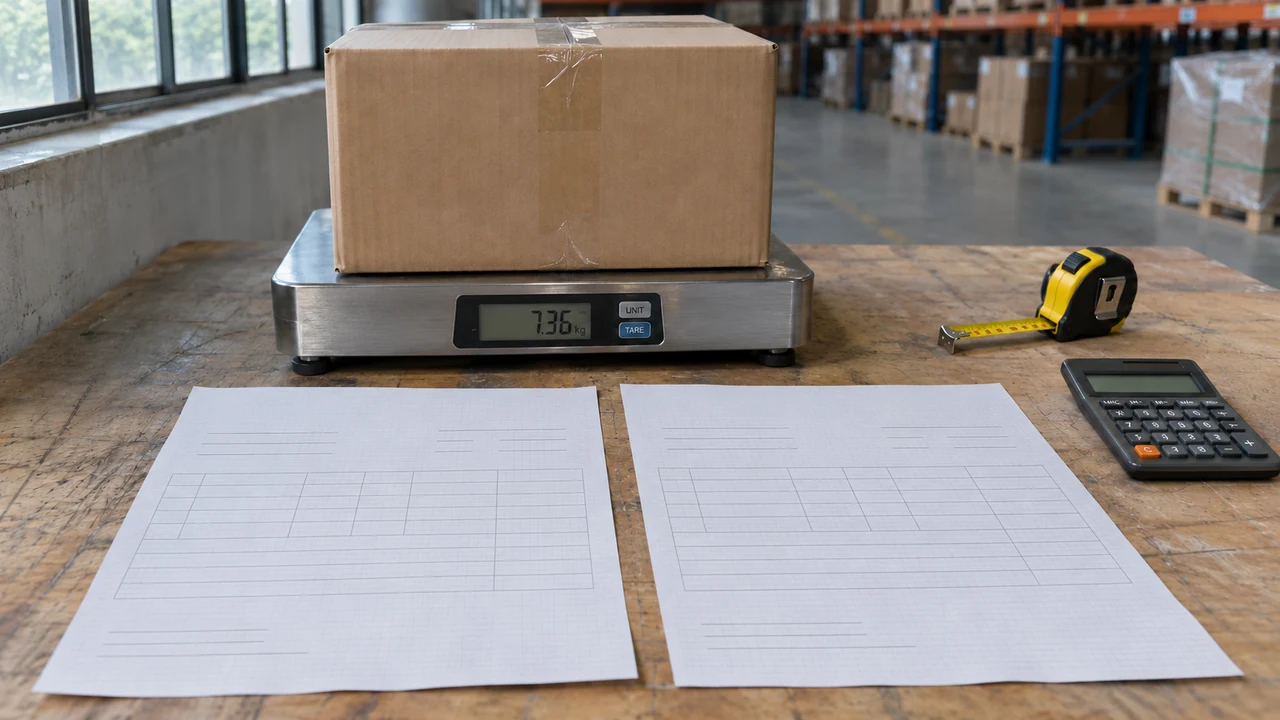
Use these items to estimate the landed cost: the cost of getting the goods to your destination, with the included charges clearly identified. Count bundled services once. Keep any freight estimate open until the packed weight, carton sizes, and route are confirmed.
I would settle these differences before negotiating a lower commission. A small change in the fee tells you little while inspection, packaging, or local handling remains unpriced.
Understand the Commission or Selling Margin
For a percentage fee, check the calculation basis, minimum charge, and any additional services. Do not assume that product value, tooling, and shipping are treated the same way by every provider. A trading company may keep its supplier cost and margin private; you can still require a clear selling price, service scope, and list of exclusions.
At Hinsourcing, our sourcing commission is 4%, with a minimum service fee of US$50. Your written quotation will confirm the calculation basis, included services, and any additional charges. Our guide to China purchasing agent fees explains the fee structures and cost items to compare.
Check Reorder Costs and Your Team’s Workload
Separate one-time costs, such as artwork setup or development samples, from recurring coordination, inspection, and shipping charges. Ask what a reorder would cost at the same quantity and specification.
Also consider the work your team would still handle: sample approvals, supplier questions, production updates, and shipment coordination. A useful service should take clearly defined work off your hands. For repeat orders, my priority is a process that keeps the specification consistent and makes changes easy to track.
How Do MOQs and Lead Times Compare?
There is no fixed MOQ or lead time for either business model. Available stock, production setup, materials, and customization determine what is workable. Compare the exact product version you intend to sell.
Check the MOQ for the Product and Its Packaging
Ask about the minimum per model, color, material, and packaging design. The goods and a custom printed box may have different minimum order quantities. Establish how any extra packaging will be paid for, stored, and used on future orders.
A trading company may offer smaller quantities from stock. An agent can look for factories that accept your volume or discuss using existing materials, stock colors, and simpler packaging. A low-MOQ offer still needs to match your product requirements. Check the agent’s minimum service fee separately from the manufacturer’s MOQ.
Separate Production Time from Shipping Time
Find out what starts the lead time. Stock goods may depend on reservation and packing, while a production order may start after the deposit and sample approval. Ask for the expected dates for inspection readiness, shipment departure, and arrival.
For mixed orders, identify the last item expected to be ready and compare combined shipment with any proposed split shipment. Also ask whether a reorder will come from stock or require a new production run. The first order’s dispatch time may not be a reliable guide to the next one.
Who Controls the Factory Relationship and Product Decisions?
Factory access and approval rights should be agreed with the provider. Hiring an agent does not automatically give you every supplier contact, and buying through a trading company does not automatically prevent independent checks.
Make Factory Access Useful to Your Order
Discuss when the factory’s registered name and production address can be shared, how technical questions reach production staff, and whether visits or independent audits can be arranged. Our guide to finding and checking manufacturers and suppliers in China covers the evidence worth reviewing.
I would focus on whether that access helps you make decisions. Knowing a factory name is useful, but it does not replace a clear sample approval process or the ability to investigate a production problem.
Keep the Approved Product Records
Keep the latest approved specification, sample reference, artwork, packaging files, and inspection reports where your team can access them. Set out which changes require your written approval, including changes to materials, components, or the production location.
For molds or other tooling, agree on ownership, storage, permitted use, and the conditions for release. Establish which files and physical items you can retrieve when the relationship ends. This matters especially when you expect repeat orders or may need another factory later.
Who Is Responsible If the Order Goes Wrong?
Start with the seller named in the sales agreement, then look at the agent’s agreed service obligations. An agent may coordinate inspections and help pursue a claim; a trading company that sells the goods handles claims under its purchase terms. Neither arrangement removes the need to define how problems will be resolved.
Agree on Quality Checks and the Response to a Failed Inspection
Give the inspector the approved sample reference, latest specification, required checks, and acceptance criteria. Establish who receives the report and who decides whether the goods can ship.
Before production, agree on how rework, replacement, and reinspection costs will be handled. Effective quality control includes a response to a failed check. An inspection report alone does not tell you who will arrange a correction or pay for it.
For problems found after arrival, follow the notice process and time limit in the contract or platform order. Keep the relevant packing list, receiving records, lot numbers, photographs, and approved sample details so the seller can investigate the affected goods.
Separate Shipping Risk from Product Quality Obligations
Confirm who arranges transport, handles export and import formalities, and provides insurance where required or agreed. Use a specific delivery location so both parties understand what the quote covers.
As the ICC Academy explains, Incoterms® rules allocate certain delivery responsibilities, costs, and risks. They do not replace the sales contract or settle every question about payment, ownership, or defective goods. Keep those terms clear in the order agreement.
How to Check a Sourcing Agent or Trading Company Before Paying
A useful quote should let you identify what you are buying, what help you are paying for, and what happens next. Bring the key checks together before paying the deposit.
Review the Quote, Company Details, and Order Terms
- Product and price: Confirm the specification, quantities per SKU, packaging, currency, included services, and exclusions.
- Seller and payment: Match the company named in the agreement, invoice, and receiving bank account. Ask for an explanation and appropriate authorization if another entity collects payment.
- Schedule and changes: Record what starts the lead time, the expected ready date, and who approves product changes.
- Inspection and shipment: Name the inspection provider and the person who can approve shipment, with the checks and reporting date.
- Problems and handover: Identify the claim contact, notice period, agreed remedies, and access to project records or tooling.
If an agent holds money to pay suppliers, include the spending authorization, payment records you will receive, and treatment of unused funds. Verify changed bank instructions through a trusted contact channel. Our guide to checking a purchasing agent in China covers provider selection in more detail.

What If You Find the Supplier on Alibaba.com or 1688?
The platform does not change the need to identify your seller. If an agent places an order, establish whose account is used, who receives the payment, and who can raise a dispute. Keep the order confirmation, approved specifications, payment record, and agreed shipping date.
Alibaba.com Trade Assurance requires an eligible order and payment through Alibaba.com. Review the coverage, required evidence, and claim deadline for that order.
For purchases through 1688, check the applicable order terms separately. Our Alibaba vs 1688 comparison explains the differences to consider when choosing between those platforms.
Start with Work You Can Evaluate
For an agent, a supplier comparison can show how clearly it works. Agree on the product brief and require each option to include the quote, MOQ, lead time, exclusions, and unresolved questions. Review the result before moving to samples.
With a trading company, use a sample or a limited trial order to check the product, packaging, documents, and communication against the written offer. Keep the approved details for the production order. A sample helps you assess the offer; it does not guarantee that every later batch will match it.
Can You Switch from a Trading Company to a Sourcing Agent?
Yes, you can change how you source future orders. Keeping the same factory, product version, or tooling depends on your existing access and agreements.
- Review open orders, deposits, work in progress, and any contractual restrictions.
- Gather the approved sample, specifications, artwork, inspection records, and tooling details you are entitled to use.
- Establish whether the original factory is available to you and can supply the same version at your quantity.
- If you move to another factory, assess its capabilities and approve a new sample before releasing production.
I would make the reason for switching explicit: better product development, clearer costs, stronger follow-up, or a more manageable supplier relationship. Those goals give you a useful basis for judging the new arrangement.
How We Help at Hinsourcing
At Hinsourcing, we help buyers screen suppliers, compare quotations on the same requirements, coordinate samples, and follow agreed production and shipment stages. We start with the tasks you need help with and define the service scope before work begins.
For an agent-versus-trader decision, we can review what the offers include, discuss the supplier support you need, and identify points that still require confirmation. Factory disclosure, direct communication, and inspections are agreed for the project, so you know what support to expect.
Send us your product specifications, quantity per SKU, destination, required delivery date, and any quotes you are comparing. Discuss your sourcing project with Hinsourcing so we can work through the options and agree on the scope and fees.
FAQs About China Sourcing Agents and Trading Companies
Can I Use a Sourcing Agent If I Already Have a Supplier?
Yes. An agent may provide sample follow-up, production coordination, or inspection support without finding a new supplier. Agree on the tasks and the factory access needed, then specify which decisions remain with your team.
Can a Trading Company Handle OEM or ODM Products?
Yes, some trading companies coordinate custom manufacturing or adapt existing designs. Ask who handles development and samples, where production takes place, and how changes are approved. Confirm which technical files you will receive and your rights to use them.
Do I Pay a Sourcing Agent Again on Every Repeat Order?
That depends on the fee arrangement. Some services are one-time tasks; others are charged per order or for ongoing work. Ask for the reorder fee and included services when the factory, product, and quantity stay the same.
Does “Trading” in a Company Name Mean It Cannot Manufacture?
No. The name alone does not establish manufacturing capability. Check which registered entity operates the production site, which processes it carries out, and which work it outsources. Assess the setup for the product you intend to buy.
Can I Arrange My Own Inspection Through a Trading Company?
You can request it and make access part of the order terms. Agree on the inspection location, timing, scope, and report recipients before production. Also define what happens if the goods fail and who can approve shipment after correction.
Can I Use Both a Sourcing Agent and a Trading Company?
Yes. You can use an agent for supplier comparison or coordination while buying particular goods from a trading company. Define the work each party handles and identify the seller for each order. Check that you are not paying twice for the same task.