China purchasing agent fees are commonly quoted at around 3%–10% of the order value, according to published sourcing guides. This is a broad market reference, not an official industry average. Some agents charge a flat project fee or a monthly retainer. Others include their earnings in the product price instead of showing a separate service fee.
So, what should you actually expect to pay? It depends on how many suppliers you’re working with, what you’re buying, and which tasks you want someone in China to handle. The percentage matters, but the total cost and the work included matter more.
A repeat order from one established supplier may require less coordination than an order split across several unfamiliar factories. Before comparing rates, be clear about what you’re asking the agent to do. If you’re still deciding which tasks to outsource, our China sourcing agents guide explains the options.
How Much Does a China Purchasing Agent Charge?
Most quotes use one of four approaches: a percentage commission, a fixed project fee, a monthly retainer, or a product price that already includes sourcing costs. Some agents charge separately for inspections, supplier visits, or warehouse work. Ask for an itemized quote: the total China sourcing agent cost depends on what the rate covers, not just the headline percentage.
Here are fee examples from three providers. JingSourcing and OLWAN list their rates on their pricing pages; Hinsourcing’s rate is confirmed directly by the company for this article. The other providers’ figures were checked on November 17, 2026. All dollar amounts are in US dollars.
| Purchasing agent | Commission and minimum fee |
|---|---|
| JingSourcing (Basic) | 5% of product value; minimum US$100 |
| OLWAN Sourcing | 4% for goods orders up to US$50,000; minimum US$150 per order. 3%–4% above US$50,000 by agreement. |
| Hinsourcing | 4% commission; minimum US$50 |
These are individual providers’ prices and fee models, not an industry-wide price survey. The Hinsourcing rate is company-provided; the other two are based on published pricing pages. Even when two agents both charge 4%, their minimum fees, calculation bases, and included services can differ. Confirm the written quotation and total cost before choosing an agent.
Why a Lower Commission Isn’t Always Cheaper
A lower percentage does not always mean a lower total charge. Some agents include defined inspections and repacking in their commission; others price those tasks separately. Compare the written service scope as well as the rate.
When I compare purchasing agent quotes, I look first at what the buyer will receive: supplier checks, sample coordination, production updates, inspection findings, and support when something goes wrong. A small percentage means little if essential work has been left out.
How Are China Sourcing Agent Fees Calculated?
For a commission-based agent, the starting calculation is simple:
Agent fee = agreed order value × commission rate
If the calculated commission is below the agent’s stated minimum, the minimum normally applies instead. Check the fee basis and minimum before you approve the quote.

Commission Rates and Minimum Fees
The fee plans listed above show how minimum charges vary: JingSourcing Basic lists a $100 minimum, OLWAN lists a $150 minimum, and Hinsourcing charges a $50 minimum. These are the providers’ stated minimum charges, not estimates of the final bill. Each provider’s rate and calculation basis must be checked against the actual quotation. Inspection and other services may be priced separately.
When comparing sourcing agent commission rates, first ask what the percentage is calculated on. Does it cover goods alone, or also packaging, molds, domestic shipping, or other charges? Does the minimum apply per purchase order, supplier, or shipment? If rates change at different order values, does the new rate apply to the whole order or only the amount within a particular band?
A minimum usually replaces a smaller calculated commission. It isn’t automatically added on top. Any separate handling fee should be shown as its own charge.
Fixed Project Fees
A fixed fee is useful when the job has a clear beginning and end. Fixed-price assignments can cover supplier screening, quotation comparison, or a defined round of sample coordination.
Ask exactly what you’ll receive and what counts as completion. Does the price cover another supplier search if the first candidates don’t work out? How many sample revisions are included? If you later place an order, is any of the initial fee credited toward another service payment?
Monthly Retainers and Per-Task Charges
A monthly fee may suit a business placing orders throughout the year. But the amount only makes sense when you know how many projects, supplier visits, reports, and hours it covers. Don’t forget quiet months or minimum contract terms.
For a smaller assignment, you may be quoted by SKU, factory visit, inspector-day, or hour. Find out whether different colors count as separate SKUs, whether local travel is included, and who must approve extra work.
What Is Usually Included in a Purchasing Agent Fee?
There is no standard service package. One agent may find suppliers and negotiate prices, while another manages samples, production, inspections, warehousing, and shipping coordination. The best way to compare offers is to get a written list of tasks marked included, extra, or excluded.
Check these areas:
- Finding and checking suppliers: How many factories will the agent contact? Will it verify business details or visit a factory?
- Quotes and samples: Will it compare offers against the same product specification? Are sample purchases, courier costs, and revisions covered?
- Order follow-up: Will it track production dates and report changes that need your approval?
- Quality checks: Does “QC included” mean a few warehouse photos, a defined product inspection, or something else?
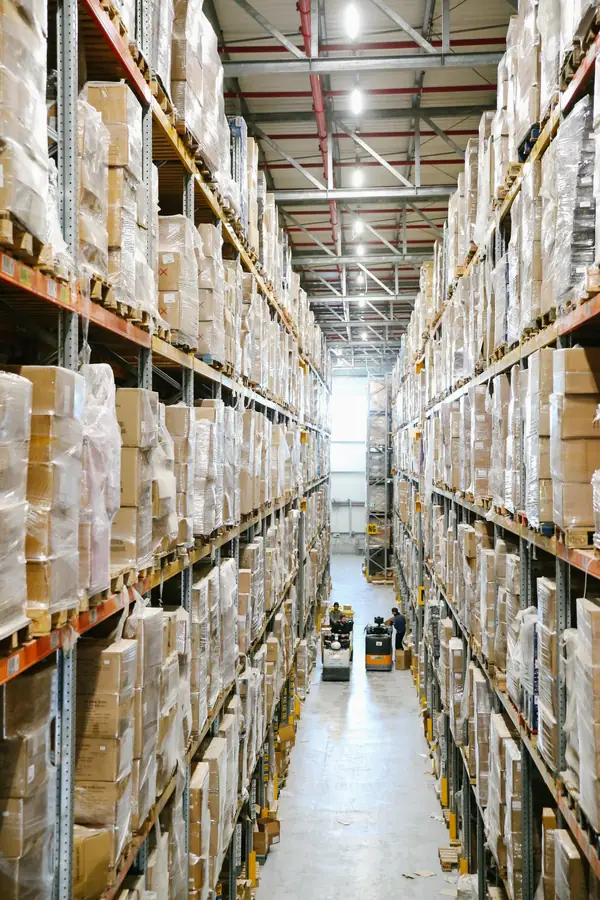
- Warehouse work: Will it count cartons, store goods, add labels, repack items, or combine deliveries from different factories?
- Shipping arrangements: Is the agent only arranging transport, or does the fee include any freight and destination charges?
An inspection is not fully defined until you know what will be checked, how many units or cartons are covered, and what report you’ll receive. Specialist laboratory testing is different from a routine warehouse check and may need a separate provider and budget.
This is where I’d avoid paying for more service than you need. If you already have a manufacturer you trust and only need a pre-shipment inspection, another full supplier search may add little value. On the other hand, a new custom product involving several factories may need much closer follow-up. The right scope should fit your real buying process.
You can read more about the tasks involved in our guide to what a purchasing agent does in China.
What Extra or Hidden Fees Should You Check?
Agent fees don’t usually tell you the complete cost of buying from China. Goods, samples, inspection, warehouse work, payment charges, and shipping can all sit outside the headline rate. Ask the agent to separate confirmed costs from estimates, especially for services you haven’t used before.
Samples and Custom Product Development
Custom packaging, drawings, molds, sample production, revisions, and courier deliveries can create one-time costs before the bulk order begins. Ask which charges apply only to development and which will come back on every order.
If a sample or supplier-search payment can be deducted from a later commission, confirm the amount, deadline, and qualifying order in writing.
Inspection, Storage, and Repacking
An agent may charge extra for a second factory visit, a failed inspection that needs repeating, storage beyond an agreed period, or repacking goods from several suppliers.
Instead of asking only, “Is warehousing included?”, ask: “How many free days do I get, and what happens if one factory delivers late?” That is usually where unexpected costs become easier to spot.
Payment and Currency Conversion
If you pay in dollars while the supplier is paid in renminbi, ask how the exchange rate is set and whether there are transfer or payment-handling charges. Also confirm how any refund would be calculated.
Some agents quote one final dollar price for the goods. That’s a valid commercial model, but it may include a margin. If the agent says it passes through factory costs without markup, ask what records you’ll receive and how those costs are converted.
Freight and Destination Charges
Arranging freight is not the same as paying for it. Check China-side transport, consolidation, international shipping, insurance, destination handling, customs clearance, duties, taxes, and final delivery as applicable.
For a fair comparison, ask both agents to price the same goods to the same destination and delivery point, using the same carton quantities, weights, and delivery terms.
How Do You Compare Two Purchasing Agent Quotes Fairly?
To compare sourcing agent pricing fairly, give both agents the same buying brief and check the cost of the same work. Include product specifications, quantities, packaging, the inspection you want, and where the goods should be delivered. Ask each agent to identify what’s included, what costs extra, and what still needs confirmation.
The three real pricing models shown earlier make one point clear: the commission rate and minimum fee are only part of the comparison. JingSourcing Basic lists 5% with a $100 minimum, OLWAN lists 4% with a $150 minimum, and Hinsourcing charges 4% with a $50 minimum. These plans are not presented as identical service packages.
To compare actual proposals, ask each agent to quote against the same product specification, order quantity, packaging, inspection scope, and delivery point. Request clear lines for services included in the fee and for any separately charged inspections, storage, repacking, payment handling, freight, or destination costs. Leave unconfirmed amounts marked as estimates rather than treating them as free.
Check What Happens When the Order Doesn’t Go to Plan
Normal-order pricing is only half the picture. Ask what happens if the supplier is late or an inspection finds a problem. Who contacts the factory, who agrees on the correction, and who pays for another inspection or additional warehouse time?
A useful inspection update should tell you which items were checked, what was found, how it compares with the approved specification, and what needs your decision. “The goods are mostly fine” isn’t enough when you’re deciding whether to release a shipment.
A Simple Quote-Comparison Checklist
Before choosing an agent, make sure you can answer all of these questions:
- What is the rate or fixed fee, and what amount is it calculated on?
- Is there a minimum charge, and when does it apply?
- Which supplier checks, samples, inspections, and follow-up tasks are included?
- What will cost extra if production is delayed or the goods need rechecking?
- How are exchange rates, payment fees, storage, and shipping handled?
- What documents and inspection records will you receive?
- Who is responsible for resolving quality problems or disputes?
If a charge or responsibility is unclear, ask for it in writing before making your comparison. For more supplier-side checks, see our guide to finding a purchasing agent in China.
When Is a Fixed Fee Better Than a Commission?
A fixed fee can make sense for a clearly defined task; a commission can make sense when the agent manages work tied to an order. The right choice depends on the actual proposals and the services included. A fixed fee for finding suppliers is not directly comparable with a commission covering production follow-up, inspection, and shipment preparation.
Ask for the complete fixed-price scope and the commission calculation basis, including minimum charges. Add separately priced work to each quotation and compare the totals over the same service period. If you buy regularly, include recurring support and any monthly minimums rather than comparing only the next order.
Is a Zero-Commission Sourcing Agent Really Free?
Not necessarily. A zero-commission agent may earn money by including its margin or service costs in the product price instead of charging a separate commission. That doesn’t automatically make the quote bad, but you should compare the total product price and the responsibilities that come with it.
Ask who is actually selling you the goods, who receives your payment, and whether you will have access to supplier quotations if transparency is part of the promised service. Also ask whether the provider receives rebates from factories or logistics companies and who handles quality claims and refunds.
A clearly disclosed selling margin can be a legitimate way to do business. What matters is that the pricing model and each party’s responsibilities match what you’ve been told.
What Should You Agree on Before Paying an Agent?
Put the fee, service scope, payment stages, extra-work approvals, and exit terms in writing. A service payment to the agent is different from a deposit paid to the factory, and neither automatically covers inspections, freight, or a refund if the order is cancelled.
Before transferring money, confirm:
- Who you’re paying: the registered contracting business and the bank account receiving the funds.
- What each payment covers: supplier research, samples, goods, inspection, or shipping.
- When payment is due: the milestone or document needed before each transfer.
- Who can approve changes: extra visits, sample rounds, reinspection, or handling charges.
- What happens if the project stops: treatment of completed work, unused funds, third-party expenses, and any agreed credits.
- What you can take with you: access to supplier details, approved samples, drawings, paid-for tooling records, and order documents, as agreed.
If payment details suddenly change, verify the new instructions through a contact method you established earlier, not just by replying to the email asking for a transfer. Have important cross-border contractual terms reviewed by a qualified adviser.
How Can You Reduce China Purchasing Agent Fees?
The simplest savings often come from avoiding repeated work—not from skipping inspections. If your specification is clear and your order plan is organized, the agent may need fewer quotation rounds, sample revisions, and supplier visits.
Here are some practical options:
- Send complete product specifications and packaging details together instead of changing requirements in separate messages.
- If you already have a supplier, pay only for the checks and order support you still need.
- Combine sample deliveries or factory visits when locations and timing make it practical.
- For repeat orders, ask for a scope and fee that reflect the reduced need for supplier research.
- Agree on extra-work rates before changes or delays happen.
I would rather agree on a sensible repeat-order fee than increase an untested purchase just to qualify for a lower commission. Lower agent fees won’t help much if the extra stock doesn’t sell or creates more quality problems. Keep the checks that matter and remove unnecessary duplication instead.
Are China Purchasing Agent Fees Worth It for Small Orders?
Sometimes—but the cost of hiring a sourcing agent in China deserves a closer look on small orders, especially when minimum charges apply. The published fee plans above have different minimums: $50 at Hinsourcing, $150 at OLWAN, and $100 at JingSourcing Basic. On a smaller purchase, the minimum may matter more than the advertised percentage. Compare what that minimum actually covers before deciding whether the service is worth it.
If you’ve already found a reliable supplier, you may prefer a defined inspection or order-follow-up service. If you’re buying several unfamiliar products from different factories, coordinating them could justify more support even when the goods value is modest.
Compare the agent’s fee with what your own team would need to manage: communication, checking suppliers, samples, inspection arrangements, and shipping handover. Don’t treat potential avoided losses as guaranteed savings. Our comparison of using a China purchasing agent versus buying directly can help you weigh the options.
FAQs About China Purchasing Agent Fees
What Is the Typical China Sourcing Agent Commission Rate?
Many 2026 sourcing guides cite 3%–10% of order value, but that’s a rough reference rather than an official average. JingSourcing Basic lists 5% (minimum $100); OLWAN lists 4% for orders up to $50,000 (minimum $150); and Hinsourcing charges 4% with a $50 minimum, as stated by the company. Always confirm the commission base and included services.
Does an Agent Charge for Every Repeat Order?
It depends on your agreement. Repeat orders can still require pricing checks, production follow-up, inspections, and shipping coordination. Ask whether the full commission, a reduced repeat-order fee, or a retainer will apply.
Can I Pay the Factory and the Agent Separately?
Yes, some arrangements allow this. Confirm who signs the order with the factory, who follows production, and who handles disputes. Paying separately doesn’t automatically make responsibilities clearer.
Is the Initial Supplier-Search Fee Deducted from My Order?
Only if the written terms say so. OLWAN’s published pricing describes a product-search payment that can be deducted from commission when an order is placed. Ask about eligibility and any deadlines.
Do I Still Pay If I Decide Not to Place an Order?
You may owe for supplier research or other work already agreed and completed. Check the cancellation terms and how unused money will be handled before paying the initial fee.
Are Purchasing Agent Fees Included in Customs Value?
It depends on the destination and the agreement. In the UK, qualifying buying commission may be excluded from customs value when it is separately identified and supported by evidence of a genuine buying agency. HMRC’s official guidance explains the conditions; import VAT is a separate issue. Ask your customs broker to review your arrangement.
Get a China Purchasing Agent Quote That Fits Your Order
You don’t need to pay for every sourcing service if your business only needs a few of them. At Hinsourcing, we can discuss supplier selection, samples, production follow-up, inspections, and shipping coordination based on the work your order actually requires.
To get a useful proposal, send your product links or specifications, quantities, number of SKUs, customization requirements, destination, target delivery date, and any suppliers you’ve already found. Tell us which tasks you want to keep in-house and which you would like help with.
Explore our sourcing and procurement services or contact Hinsourcing to discuss the scope. Before committing, confirm the service fee, included checks, third-party expenses, and approval rules in writing.